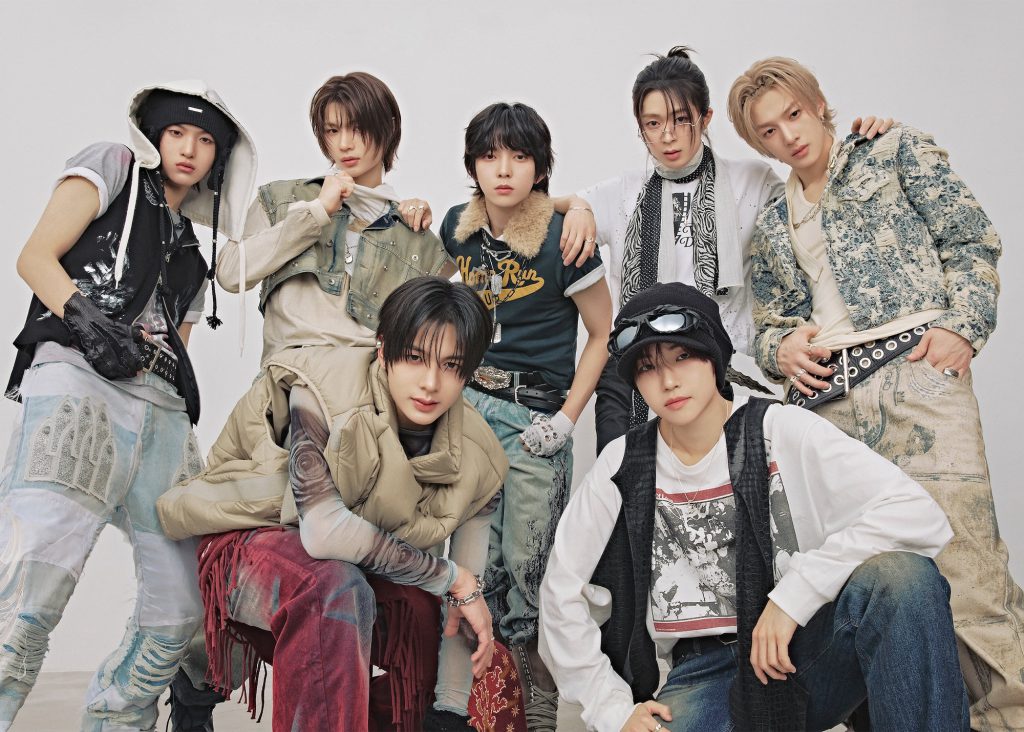
As one of the most anticipated rookie debuts under C9 Entertainment in recent years. NAZE is stepping into the spotlight with a story that already feels larger than a typical debut. Following the footsteps of artists such as CIX, EPEX, YOUNHA, and Lee Seok Hook, the multinational group, consisting of members from South Korea, Japan, and Thailand, officially introduced themselves to the world on May 4 with their self-titled debut mini album NAZE.
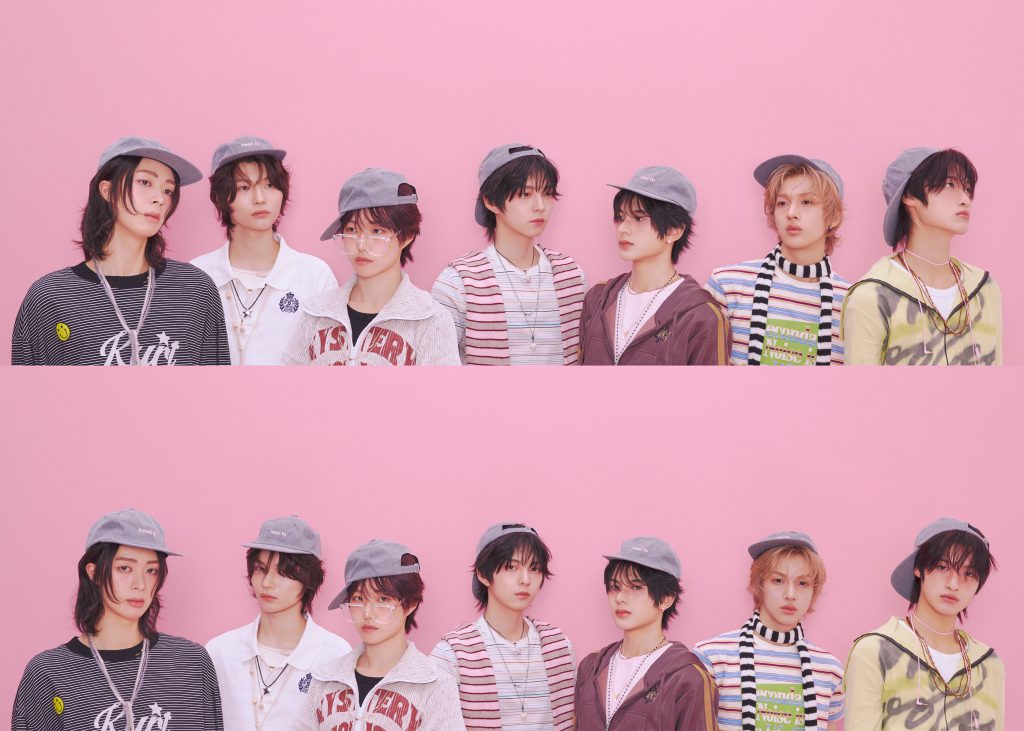
Made of Ato, Kaisei, Younki, Turn, Yuya, Kimkun, and Dohyeok, NAZE first began building a name for themselves through the Japanese drama DREAM STAGE ahead of their official debut. Through the series, viewers followed a fictionalized version of the members’ trainee journey, offering an early look into the group’s chemistry, ambition, and growth. The project quickly helped NAZE gain attention both in Japan and Korea, building anticipation for the moment they would finally step onto the music scene as an official group.
Now, with NAZE, the group takes the next step from promising newcomers to artists ready to introduce their own identity. Leading the mini album is the title track “People Talk,” a groovy and addictive debut song built around a message that feels both confident and relatable. Rather than focusing on perfection or pressure, the track encourages listeners to move through life freely, stay true to themselves, and not get weighed down by outside opinions. Paired with an infectious beat, an easy-to-love melody, and a satisfying build into the chorus, “People Talk” makes for a strong first impression and immediately establishes the group’s youthful confidence.
The accompanying music video captures that same carefree spirit, showcasing the members in playful and colorful settings that highlight both their individual charms and their chemistry as a team. Meanwhile, “Pretty Pink Socks” reveals a softer and more lighthearted side of NAZE. Bright, charming, and full of youthful energy, the song captures the excitement of a crush and pairs perfectly with a fun and quirky music video.
The mini album is completed by “Awesome” and “Seoul,” further expanding on the group’s musical identity. While “Awesome” delivers an energetic burst of confidence through its powerful sound and uplifting message, “Seoul” takes a more reflective approach, exploring themes of growth and finding comfort in unfamiliar surroundings. Together, the four tracks offer a well-rounded introduction to NAZE, balancing confidence, youthfulness, and sincerity throughout their debut release.
Ahead of this new chapter, NAZE exclusively shares insights into their unconventional pre-debut journey, the message behind “People Talk,” and what kind of group they hope to become as they step onto the global stage.
KPC: Even before your official debut, NAZE already feels like a group with a story. How would you define this moment you’re in right now?
YOUNKI: We’d like to define this moment as one we’re living through as naturally and unfiltered as possible. Rather than chasing something flashy, we think what matters most is fully facing and enjoying each moment more than anyone else. We believe that the positive energy that comes from fully immersing yourself in every moment is what creates something remarkable.
DOHYEOK: Our name, NAZE, represents the infinite possibility to branch anywhere. Just like our name, we think the freedom and potential of the unpolished youth define this moment best. Like our title track “People Talk,” we see ourselves as a team moving forward boldly and freely.


NAZE_미니1집_컨셉포토_YOUNKI2.jpeg NAZE_미니1집_컨셉포토_DOHYEOK4.jpeg
KPC: As a multinational group, how do you think your diverse backgrounds influence your music and teamwork?
TURN: I think our diverse cultural backgrounds come together to shape NAZE’s unique charm and identity. The sound we’ve built by bringing out each member’s individuality is also part of that identity. Rather than being a source of conflict, I think it creates our synergy, where we talk things through and find better directions together.
YUYA: At first, there were some difficulties because of language barriers and cultural differences. But as we lived and worked together as one team, we started to connect and understand each other beyond language. Now, I think we’re closer than anyone, like brothers and friends. I’m so happy that we could debut together like this.
KPC: Before your official debut in Korea, you’ve built a fanbase in Japan through diverse activities. How do you think that experience shaped your perspective as K-pop artists?
KAISEI: Having fans in Japan even before our official debut felt incredibly precious and is something I’m deeply grateful for. It motivated me to work even harder as a K-pop artist. It gave me a broader perspective that it’s not just about putting on a performance, but about genuinely connecting with our fans around the world through music.
KPC: Being cast in the drama Dream Stage before your debut is quite rare. How do you think that opportunity helped define NAZE’s identity?
KIMKUN: Our time on Dream Stage was an incredibly valuable opportunity for us. We were able to experience so much during that time, and I believe those experiences will help us as we move forward. It also made me feel a stronger sense of responsibility because I didn’t want to let down the people who believed in and waited for me.
ATO: While filming the drama, we played in the role of an idol and received a lot of love from our fans. But I felt that the moment of officially debuting on stage required a completely different kind of energy. I really wanted to show our audiences more of NAZE’s identity as idols. Of course, the charm and power on stage matters, but I also wanted to showcase ourselves being free and having fun on stage.

KPC: In the show, you played trainees chasing their dreams. How closely did that reflect your real experiences? Were there moments on set where reality and the script seemed to overlap?
DOHYEOK: Since we had all gone through trainee lives ourselves, we could definitely relate to our roles. However, there were a lot of scenes in the drama where we had to fight with each other, and in real life, we’ve never actually fought. So I remember us all gathering and talking a lot about how to make the fight feel natural on screen.
KPC: How are the songs on your debut album different from the ones fans heard in the show?
ATO: Both the soundtrack and the debut album have great tracks, but I think each carries a different story. The soundtracks were written around NAZE’s story within the plot, so we prepared by researching our characters and thinking about what emotions and mindset we’d bring to each song in that context, as well as how we’d perform them. The debut album songs, on the other hand, feel like the most authentic version of who NAZE really is.
TURN: As you listen through our debut album from track one to four, I think you’ll feel the unfiltered charm that only NAZE has. Our debut album isn’t about grand dreams or fantasy-like stories. Instead, it captures who NAZE is right now and the moments we’re living through together.
KPC: When making music, what kind of emotions do you find yourself most naturally drawn to?
YOUNKI: I think I’m naturally more drawn to hiphop-like moods or emotions that feel exciting and energetic.
KPC: As a rookie group drawing attention from various brands and media, how would you define your identity at this stage?
KAISEI: We’d love for people to see us as a group that loves and enjoys music more than anyone, and is full of energy. Since we’re a team with endless possibilities and the freedom to go anywhere, we hope people will recognize freedom and potential as NAZE’s own distinct color.
YUYA: I think NAZE’s greatest strength is with the freedom to go in any direction without being confined to a set mold. Being seen in our happiest, most joyful moments is the early image we have, and it’s one we want to carry on.
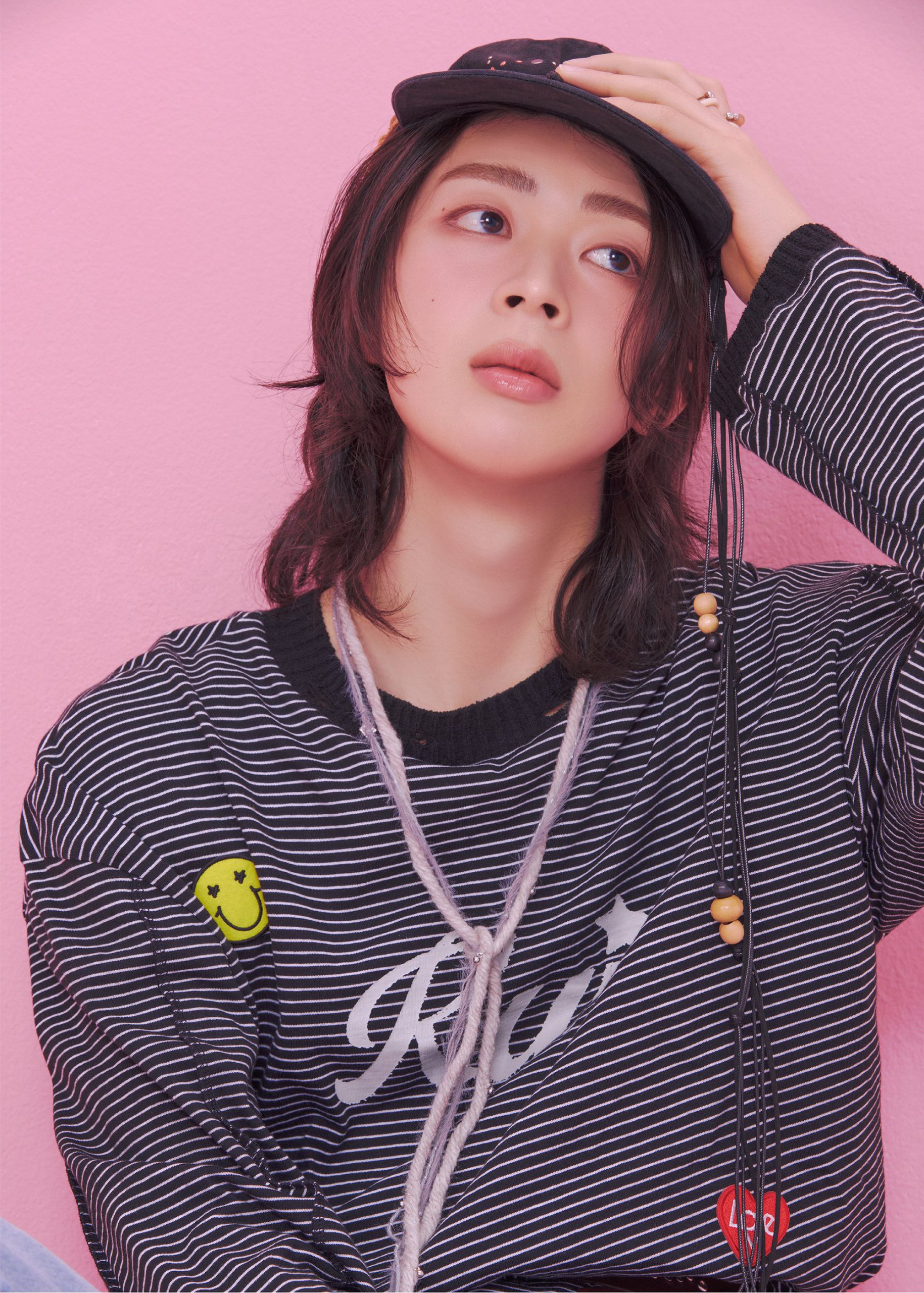
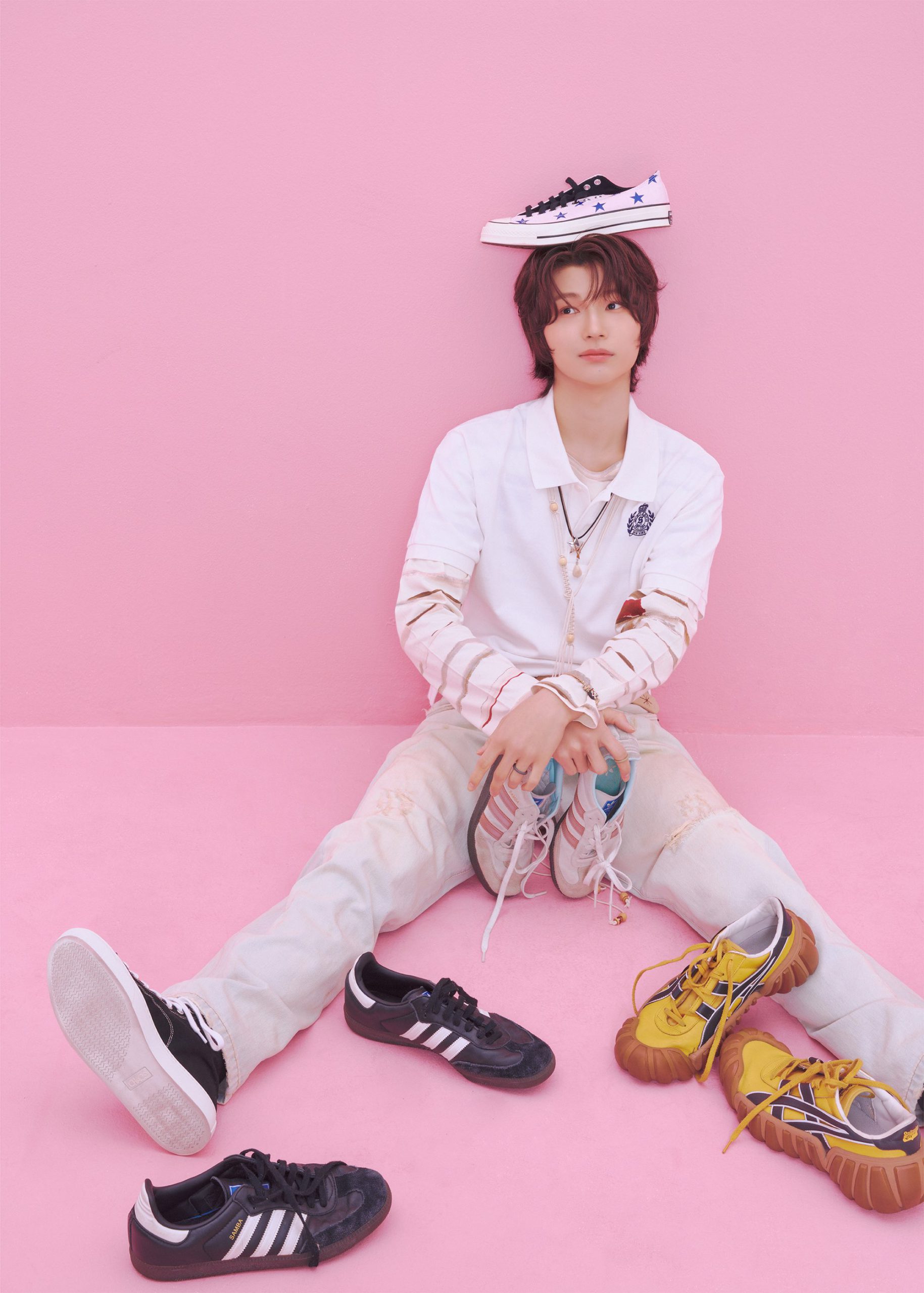
KPC: Was there a recent moment when you felt particularly proud of another member?
YOUNKI: Monitoring our first music show stage is what stays with me the most. I felt so proud watching the members shake off the nerves and truly enjoy the performance up there.
ATO: Recently, there was a period where we were all physically and emotionally drained with debut preparations and a packed schedule all at once. Despite how demanding things were, the members continued to support one another and make each other laugh, showing up as reliable teammates and friends. I was very touched by those day to day moments.
KPC: Releasing a debut track with a message about not caring what anyone else says is a bold move. Where does that confidence come from?
TURN: Part of the reason we put that message in the debut track was to build a stronger sense of confidence within ourselves. Rather than being shaken by how others see us or what they think, we believe the most important thing is sincerely enjoying and finding happiness in the music we make on stage. We believe that a stage where we’re genuinely happy is the most powerful proof of confidence and the best version of NAZE we can present.
KIMKUN: Of course, there’s the confidence that comes from the seven of us being together, but I feel the most confident and courageous when we’re performing in front of fans who are cheering us on.


KPC: Everyone goes through the experience of facing opinions and judgments from others. What would you want to say to someone who is struggling because of that?
DOHYEOK: Our title track “People Talk” carries the message, “no matter what others say, we’re going to be happy,” and it’s a song we genuinely feel so happy and joyful singing. We hope that seeing our energy and our candid selves gives people strength.
KPC: Do you think the message in your debut title track connects to your journey so far, especially having introduced yourselves to the public even before your official debut?
ATO: Because we gained so much experience even before our debut, those experiences have naturally become the foundation for who we are today, and I definitely think they’ll be helpful for what we will do going forward. I think who we were then is directly connected to who we are now. Going into our official debut, I pushed myself even harder, wanting to show the audience a more developed and impressive version of myself.